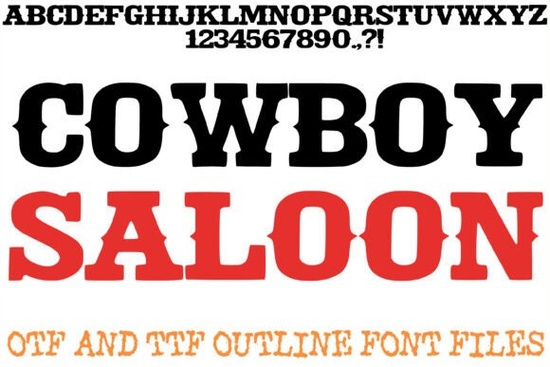
If you are looking to bring a rugged, vintage frontier feel to your next project, the Cowboy Saloon Font is a strong choice for display typography. This bold slab serif captures the exact look of classic western signage and old-school saloon posters. Whether you are designing heritage apparel for a print-on-demand shop or creating a menu for a rustic pub, this typeface gives your work an authentic, historical aesthetic without feeling overly cartoonish.
What makes this typeface stand out for western projects?
The design relies on strong, sturdy letterforms that feel both authoritative and handcrafted. Unlike softer script fonts, this style uses sharp edges and heavy strokes to grab attention immediately. The decorative side spurs on certain characters add a subtle nod to cowboy culture without making the text hard to read. It is an excellent option when you need a display font that holds up well at large sizes, like on a rodeo flyer or a craft distillery label. The mid-century frontier energy means it avoids looking like a cheap costume party font, giving your work a more premium, historical feel.
How can small businesses and crafters use it?
For small business owners and crafters, versatility is key. Here are a few ways to apply this vintage typography in your shop:
- Apparel and Merch: Print it on t-shirts, tote bags, or hats for a country music festival or western-themed boutique. It works beautifully on dark heather fabrics.
- Branding and Signage: Use it for the main logo of a barbecue restaurant, a craft brewery, or a local rodeo event. The sturdy letterforms look great on wooden signs or stamped metal.
- Digital Products: Create printable wall art, party invitations, or greeting cards with a rustic, adventurous vibe.
If you are exploring other thematic styles for your shop, you might also want to check out blocky western typefaces for a chunkier alternative on heavy canvas bags, or retro outlined lettering if you want a seventies feel for your vinyl decals.
What should I keep in mind when pairing it with other fonts?
Because this is a highly decorative display typeface, it needs to be paired carefully. You should only use it for headlines, logos, or short phrases. For your body text, choose a clean, highly legible sans-serif.
If you need a secondary font for a subheading, you have a few options depending on your project's mood. For a country music festival poster, you could mix it with edgy tattoo style lettering to give it a rebellious twist. On the other hand, if you are designing a modern boutique menu, pairing it with clean aesthetic display styles can bridge the gap between vintage and contemporary. You could also use a quirky secondary display typeface for playful event invitations. Just remember to let the main font breathe by giving it plenty of white space.
Is it easy to read at smaller sizes?
The short answer is no. This font was specifically built for high-impact, large-format use. The heavy strokes and decorative side spurs will blur together and become difficult to read if you shrink them down for a paragraph of text. Always test your designs by printing them out or viewing them on a mobile screen before finalizing your layout. If you need to include a long description on a product label or a website banner, switch to a simpler, highly legible typeface for that specific section. Good typography is all about hierarchy and making sure your audience can actually read your message.
Quick design checklist before you finalize your layout
- Check the scale: Ensure the font is large enough for the decorative spurs to remain clear and distinct.
- Limit the colors: This style looks best in one or two solid colors, like deep brown, faded black, or rustic red.
- Keep it short: Use it for words or short phrases, never full sentences or paragraphs.
- Test the contrast: Make sure the heavy letterforms stand out clearly against your background texture or image.
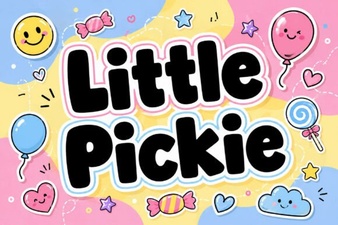 Creative Projects with Little Pickie Font Design
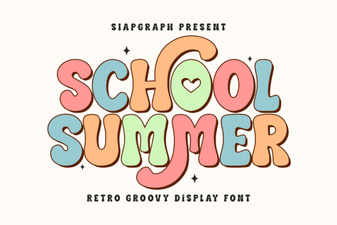 Creative Font Ideas for Your Summer School Project
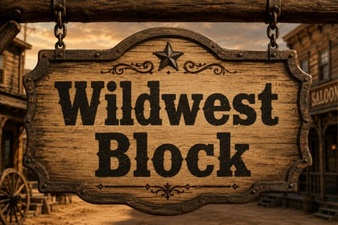 Western-Themed Designs with Wildwest Block Font
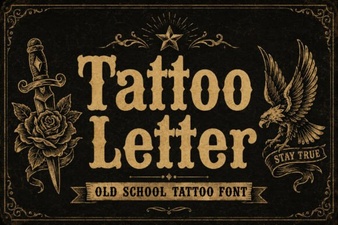 Choosing Lettering Fonts for Your Tattoo Design
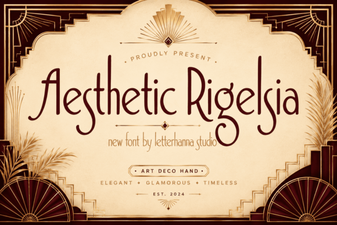 Aesthetic Rigelsia Font Design & Creative Applications
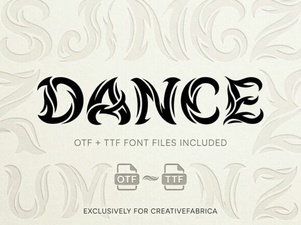 Dynamic Dance Fonts for Creative Projects