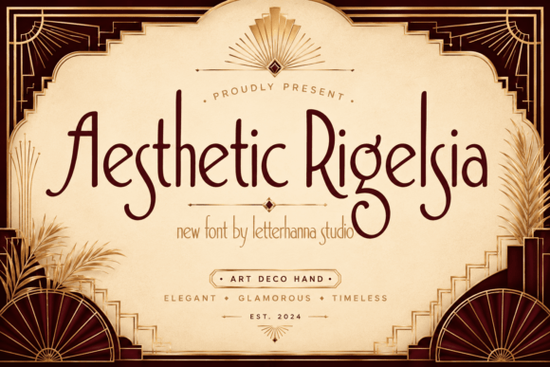
When you want a project to feel instantly luxurious, the typography has to do the heavy lifting. The 1920s gave us a visual language of bold geometry and unapologetic glamour, and the Aesthetic Rigelsia Font captures that exact era. Whether you are designing a high-end wedding invitation or a premium product label, this typeface brings a sophisticated Art Deco feel to your work without needing years of design experience to pull it off.
How does 1920s typography improve brand perception?
People judge the value of a product or event before they even read the details. If you are a small business owner or a print-on-demand seller, your packaging needs to communicate quality immediately. This specific typeface uses ultra-tall verticals and sweeping curves to create a sense of authority. When you place it on a coffee bag, a candle jar, or a skincare bottle, customers naturally assume the contents are premium. It acts as a visual trust signal, turning a simple label into something that looks like it belongs in a high-end boutique.
What types of projects work best with this style?
While it is tempting to use a beautiful typeface for everything, geometric display fonts shine brightest in specific applications. Here is where you will get the most visual impact:
- Wedding and event stationery: It gives guests the impression of a grand, black-tie affair right from the save-the-date.
- Luxury packaging: Perfect for cosmetics, artisanal foods, or boutique clothing tags.
- Editorial layouts: Use it for large, striking headlines in magazines, digital lookbooks, or portfolio websites.
- Brand logos: Ideal for boutique hotels, high-end salons, jewelry makers, or fashion labels.
How can I mix this with other typefaces?
Pairing a loud, decorative display font with the right secondary text font is crucial for readability. Since this Art Deco style has so much personality, you want to balance it with something clean or complementary. If your project has a retro or rustic vibe, you might contrast it with a distressed western typeface for secondary headings to keep the historical theme going.
For a more structured, modern look, try pairing it with a solid, blocky alternative to ground the sweeping curves. If you are putting together a wedding suite and need a matching script, an elegant monogram collection offers perfect pairings for the envelope addresses. Alternatively, if you are working on an edgier project, a gritty lettering style can create a striking, unexpected contrast. For a sleek, contemporary balance, you can also look into a modern display typeface to keep the secondary text clean and minimal.
What should I check before finalizing my design?
Before you send your files to the printer or publish your digital mockups, run through this quick checklist to ensure your typography looks its best:
- Check the tracking: Give the letters a little breathing room. Tight spacing can ruin the geometric elegance of the tall verticals.
- Test the contrast: Make sure the font color stands out sharply against your background. Metallic gold or deep emerald green works beautifully on dark, moody backgrounds.
- Limit the usage: Use this typeface for short phrases, headlines, or single words. Long paragraphs will be impossible for your audience to read.
- Verify the license: Ensure your Creative Fabrica subscription covers your intended commercial use, especially if you are selling physical print-on-demand items.
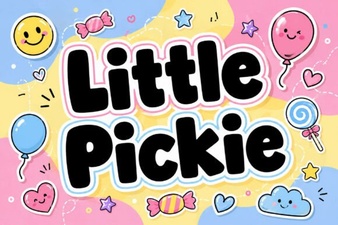 Creative Projects with Little Pickie Font Design
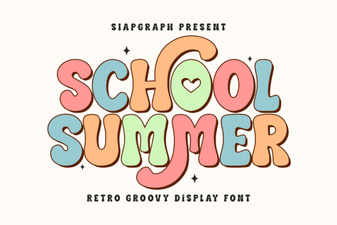 Creative Font Ideas for Your Summer School Project
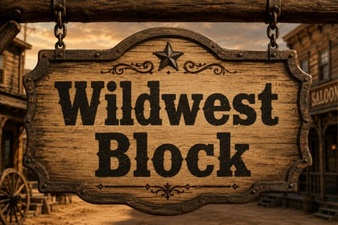 Western-Themed Designs with Wildwest Block Font
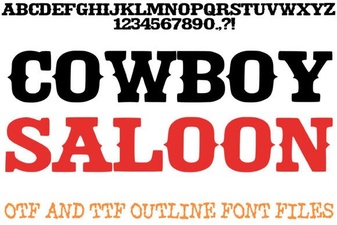 Creative Cowboy Saloon Font Ideas & Projects
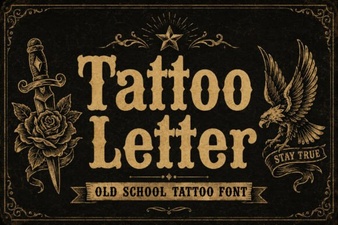 Choosing Lettering Fonts for Your Tattoo Design
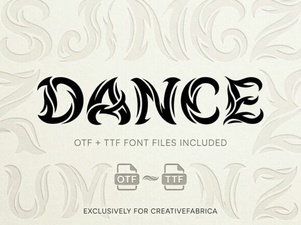 Dynamic Dance Fonts for Creative Projects