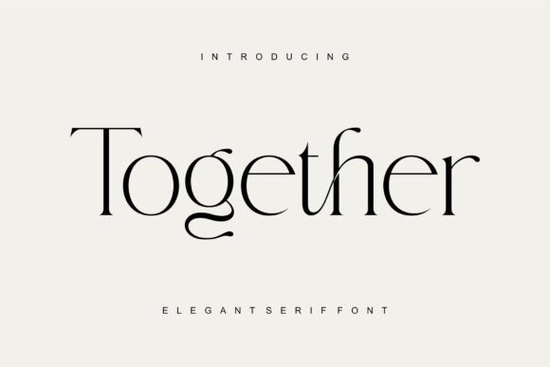
When you need a typeface that balances classic elegance with modern readability, Together Font is a standout choice for your next project. This elegant serif typeface uses delicate hairlines and high-contrast stems to create a polished, editorial look. Whether you are designing wedding invitations, luxury branding, or boutique cosmetic packaging, the slender details and robust structure give your text a unified, professional feel. It works beautifully for small business owners and crafters who want their visual identity to look refined without feeling outdated.
What makes this serif typeface stand out for luxury branding?
The secret lies in its delicate contrast. By pairing very thin hairlines with thick, sturdy stems, the letters create a striking visual rhythm. This specific style is highly sought after for high-end lifestyle magazine headers, premium product labels, and sophisticated restaurant menus. If you are currently exploring the amber star serif font options in the marketplace, you will notice how this specific typeface leans heavily into that high-contrast elegance. It gives small businesses an immediate sense of authority and artisanal beauty, making everyday products look like premium goods.
How can crafters and print-on-demand sellers use it effectively?
For crafters and print-on-demand sellers, typography can make or break a product. This typeface shines when used for short, impactful phrases rather than long paragraphs. Think about the front of a greeting card, a minimalist tote bag, or the label on a handmade candle. For example, a minimalist coffee mug featuring a single elegant quote looks incredibly professional and appeals to buyers looking for aesthetic home goods. Because the letters are highly detailed, they look best at larger sizes where the thin lines remain crisp and clear. You can easily pair it with a simple sans-serif for the body text to keep your designs readable and balanced.
What are the best practices for pairing this typeface?
Finding the right companion for your main typeface is crucial for a cohesive look. Since the main letters have so much personality and contrast, your secondary font should be quiet and clean. A simple sans-serif removes the visual competition, allowing the main typeface to be the star of the layout.
- Keep it simple: Pair it with a basic geometric or humanist sans-serif for body copy.
- Use weight variations: If you need to use the same font family for subheadings, stick to the regular or bold weights to avoid visual clutter.
- Mind the spacing: Give the letters plenty of breathing room, especially in all-caps settings, so the delicate hairlines do not bleed together.
- Check alternatives: If you need a slightly different vibe for a secondary project, you might also want to look at the boserich serif typeface options for more traditional, grounded styles.
Is it suitable for digital and print projects alike?
Yes, the versatility of this design means it transitions smoothly from screen to paper. On digital platforms, the high contrast helps the letters remain legible on various screen resolutions. For print projects, especially wedding invitations, boutique packaging, and custom stationery, the physical ink captures the subtle thick-and-thin variations beautifully. Just ensure you are working with high-resolution files or proper web font formats to maintain the sharpness of those fine details. If you want to see more of this specific style in action, you can always check out the together serif font variations page for additional weights and styling options.
How do you ensure your typography looks its best before publishing?
Before you finalize your next design, always proofread and run through this quick checklist to ensure your typography is fully optimized for your audience:
- Test at actual size: Always preview your text at the exact size it will be printed or displayed to check the thin lines.
- Limit your font count: Stick to two typefaces maximum to let the elegant details stand out without overwhelming the reader.
- Check color contrast: Ensure there is enough contrast between the text and the background so the fine hairlines do not disappear.
- Align your text: Left-aligned text is generally easier to read for longer blocks, while centered text works best for short, elegant headlines.
- Use ligatures: Turn on OpenType features if available, as the connected letters add a nice custom touch to luxury branding.
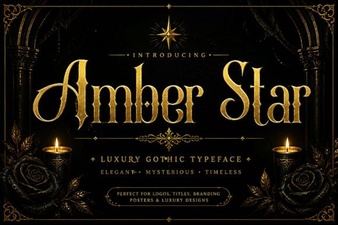 Amber Star Font: Design Versatility & Creative Projects
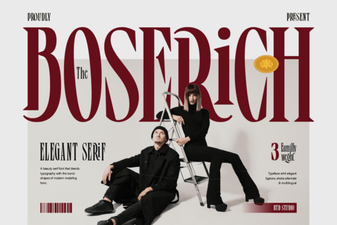 Boserich Font: Design Ideas & Creative Uses
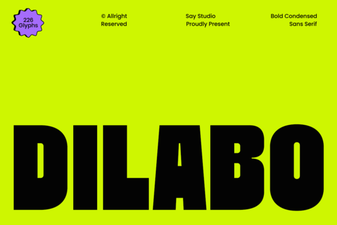 Dilabo Font: Elegant Design for Modern Projects
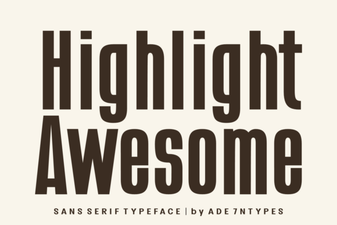 Elevate Your Design with Awesome Highlight Fonts
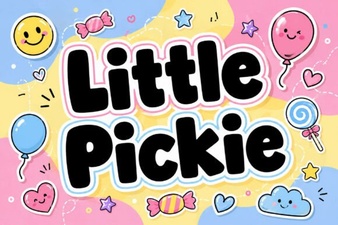 Creative Projects with Little Pickie Font Design
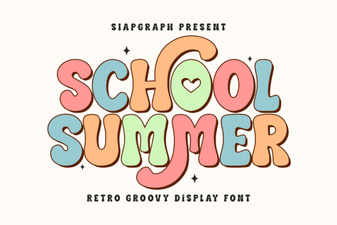 Creative Font Ideas for Your Summer School Project