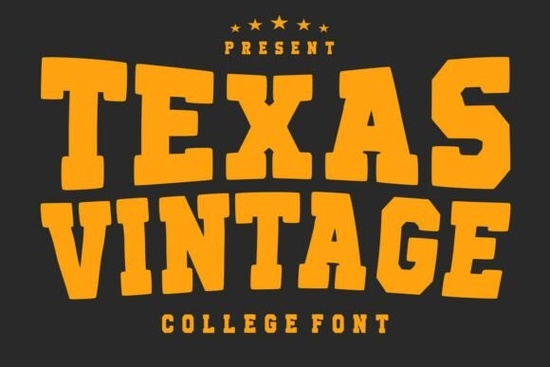
If you are looking to give your sports apparel or collegiate-themed projects an authentic retro feel, the Texas Vintage Font is a highly practical choice. This bold display typeface captures the classic American varsity lettering style, making it an excellent tool for print-on-demand sellers and small business owners who need strong, nostalgic typography.
What makes this typeface stand out for sports branding?
When creating team logos or merchandise, the typography needs to feel established and energetic. This specific typeface uses heavy, block-style characters that mimic traditional college sweatshirts. Unlike modern minimalist fonts, it brings a rugged, nostalgic energy to your layouts. Whether you are designing a high school football poster or a retro brewery label, the thick strokes ensure your text remains highly legible from a distance. If you are exploring other options for your athletic projects, you might also want to look at western style block lettering for a slightly different rustic aesthetic.
How can crafters and POD sellers use this style?
For print-on-demand sellers, having a reliable varsity font in your toolkit is essential. Customers frequently search for custom graduation shirts, family reunion apparel, and sports team gear. Because of its strong, sporty appearance, this font works beautifully on dark-colored garments.
- Custom team jerseys: Use it for player names and numbers on the back of t-shirts.
- Retro event posters: Pair it with distressed textures for a genuine vintage look.
- Merchandise branding: Apply it to coffee mugs or tote bags for a classic collegiate vibe.
If your design requires a more playful, retro feel alongside your athletic themes, mixing it with an outlined groovy display style can create a really interesting contrast for festival merchandise. You can also browse the retro college lettering collection to see how other designers are applying these heavy strokes.
What are the best font pairings for a complete design?
A heavy display font needs a clean secondary typeface to keep your design balanced. When you use thick, blocky letters for your main headline, your body text should be simple and easy to read. A clean sans-serif or a classic serif works best. For example, if you are making a university-themed invitation, use your main varsity typeface for the event title, and a lighter, more traditional font for the date and location details. If you are working on a project that needs a bit more western flair, you could pair it with a rustic picky font for smaller accent words to give the layout a unique, handcrafted touch.
How do you ensure the best print results?
When sending your designs to a printer or uploading them to a POD platform, the way you handle the typography matters. Since this is a heavy display font, make sure you have enough padding around the text. If the letters are too close to the edge of a t-shirt design, they might get cut off during the printing process. Also, if you are using it for vinyl cutting, ensure the inner counters (the empty spaces inside letters like 'O' or 'A') are large enough so the material doesn't tear. For those working on dance recital apparel or performance wear, checking out typography meant for dance recitals might also give you some inspiration for mixing athletic and artistic themes.
Quick design checklist
Before you finalize your next sports or collegiate project, run through this quick checklist:
- Check the legibility of your text when scaled down for small items like tags or labels.
- Ensure there is adequate spacing between the letters so the bold strokes do not bleed together.
- Verify that your secondary fonts are light enough to provide a good visual contrast.
- Double-check the inner cut-out spaces if you are planning to use the design for vinyl cutting.
Always test your layout on a physical mockup before ordering in bulk. Seeing how the heavy strokes interact with your chosen background color will save you time and ensure your final product looks exactly the way you envisioned.
Learn More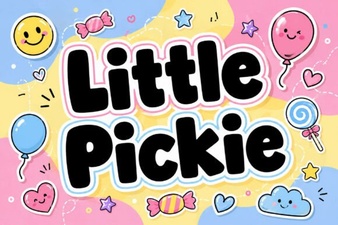 Creative Projects with Little Pickie Font Design
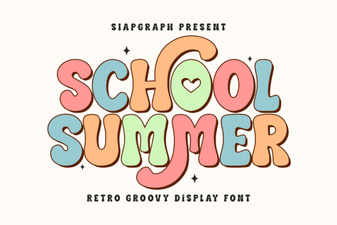 Creative Font Ideas for Your Summer School Project
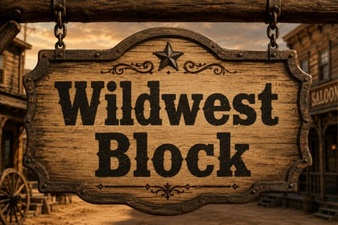 Western-Themed Designs with Wildwest Block Font
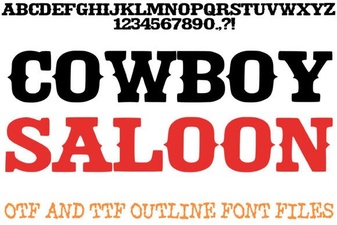 Creative Cowboy Saloon Font Ideas & Projects
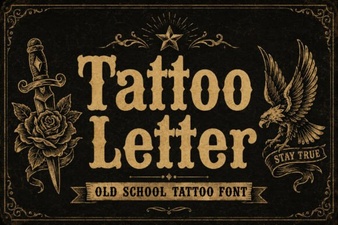 Choosing Lettering Fonts for Your Tattoo Design
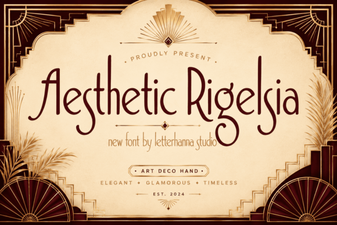 Aesthetic Rigelsia Font Design & Creative Applications