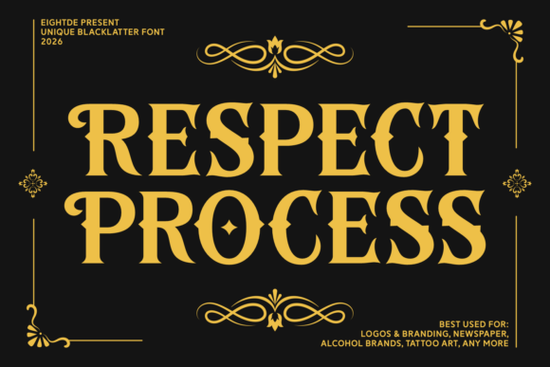
If you are looking for a typeface that carries a heavy, traditional weight with a modern edge, the Respect Process Font might be exactly what your project needs. This striking blackletter tattoo style font brings a bold, unmistakable presence to any layout. Whether you are designing a custom apparel line, branding a craft brewery, or putting together a promotional flyer, this typeface delivers the raw aesthetic required to make your work stand out. It captures the gritty, authentic feel of traditional tattoo flash while remaining clean enough for professional commercial use.
What makes a blackletter tattoo font work for modern branding?
Blackletter styles have a long history, but they are especially popular in streetwear, tattoo culture, and craft beverage labels. The heavy strokes and sharp angles create an immediate visual impact that draws the viewer in. When you browse through various blackletter font options for your next project, you want something that balances historical charm with clean readability. This specific typeface manages that balance well, making it highly effective for logos, newspaper mastheads, and promotional materials where a strong, unified look is essential. The sharp serifs and thick vertical lines give it a commanding presence that works beautifully on packaging and merchandise.
How can print-on-demand sellers use this typeface?
For crafters and print-on-demand sellers, typography is often the main selling point of a product. T-shirt graphics rely heavily on bold lettering to catch the eye in a crowded online marketplace. An edgy, gothic-inspired letterform works perfectly for band merch, skate culture apparel, and vintage-style streetwear. Because the letterforms are so distinct, you can often get away with minimal background graphics. A simple, well-placed typographic design on a dark garment can sell just as well as a highly detailed illustration. It also translates exceptionally well to other merchandise like tote bags, stickers, and enamel pins, where a strong silhouette is necessary for the design to work at a smaller scale.
What are the best practices for pairing it with other elements?
Because this typeface is so visually dominant, it needs plenty of breathing room in your layout. Avoid cluttering the design with too many competing elements or overly complex background patterns. If you are creating a poster or a flyer, pair it with a clean, simple sans-serif for the body text. This contrast ensures your main message is legible while the main headline grabs attention. You can also explore other Respect Process variations and similar styles if you need to build out a larger font family for a comprehensive brand kit. Mixing weights and styles from the same design family helps maintain visual consistency across different marketing channels.
Is this typeface suitable for small business logos?
Small businesses in specific niches can benefit greatly from this aesthetic. If you run a craft brewery, a traditional barbershop, a tattoo parlor, or a craft distillery, the rugged, traditional feel of this lettering aligns perfectly with your industry. It communicates heritage, strength, and authenticity to your customers. However, it might not be the best fit for a tech startup, a wellness brand, or a children's product line. Always match the mood of the lettering to the core personality of the business you are branding. A mismatched font can confuse your audience and dilute your brand message.
Quick checklist for using heavy gothic lettering:
- Check readability at small sizes: Heavy strokes can blur together when scaled down for social media avatars, website footers, or small clothing tags.
- Use high contrast: This style looks best against solid, dark backgrounds or stark white to let the sharp details and negative space pop.
- Limit your color palette: Stick to one or two colors to keep the focus entirely on the intricate letterforms and sharp angles.
- Pair with simplicity: Use a basic, highly legible font for your secondary text, addresses, and contact information to ensure everything is easy to read.
- Test on physical mockups: Always preview your design on a physical product mockup before finalizing, as screen colors and textures can change how the heavy ink looks in print.
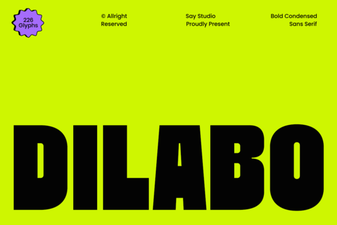 Dilabo Font: Elegant Design for Modern Projects
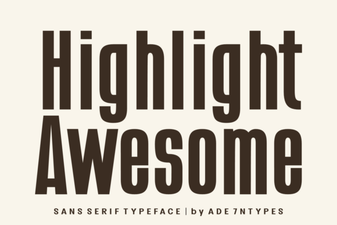 Elevate Your Design with Awesome Highlight Fonts
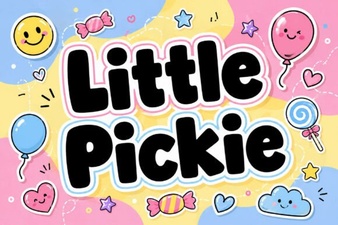 Creative Projects with Little Pickie Font Design
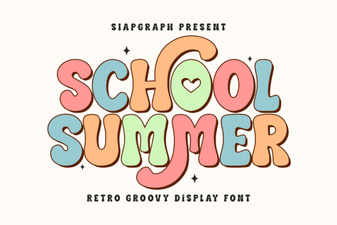 Creative Font Ideas for Your Summer School Project
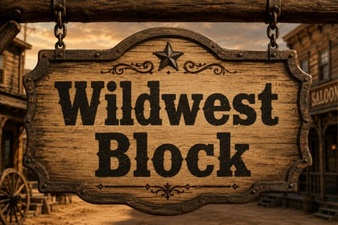 Western-Themed Designs with Wildwest Block Font
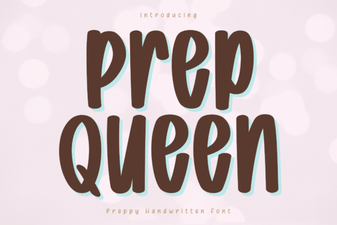 Prep Queen Font: Craft Your Best Projects